
QUICK ANSWER
Before adjusting the process, confirm the machine condition, compressed-air stability, yarn path and reference fabric. Calibrate sensors only according to the applicable control manual, record the baseline, and change one variable at a time.
WEAVING TEAM QUESTIONS
Common checks before configuration
What should the weaving team check first?
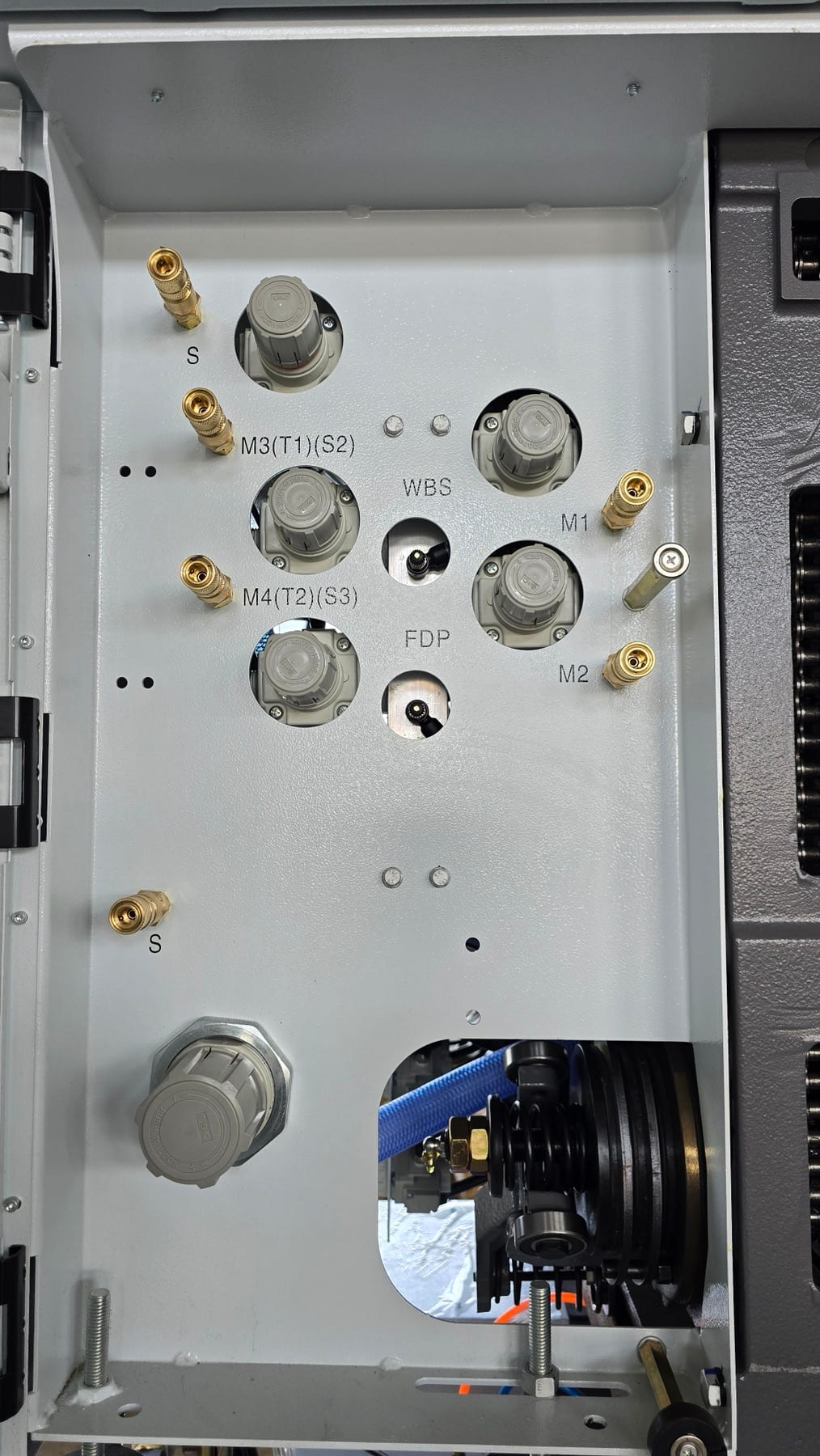
Warp-tension zeroing establishes the sensor reference, but the exact procedure differs by loom and controller. The warp must be in the specified condition before zeroing, and the result should be checked on the display. Also confirm air supply, filters, leakage, feeder condition, reed cleanliness and the approved recipe before changing process values.
Can the same settings or configuration be used for every fabric?
No. Air-jet weaving is a coordinated process. Yarn behavior, fabric construction, reed width, shedding system, air supply and production target can change the correct configuration and process window. Use verified project data and controlled trials instead of copying fixed values.
BASELINE
Start with calibration and an unchanged reference
Warp-tension zeroing establishes the sensor reference, but the exact procedure differs by loom and controller. The warp must be in the specified condition before zeroing, and the result should be checked on the display. Also confirm air supply, filters, leakage, feeder condition, reed cleanliness and the approved recipe before changing process values.
PRESSURE AND TIMING
Use only enough air at the correct moment
Main-nozzle and relay-nozzle pressure and timing should support a continuous yarn flight through the open shed. If arrival is late, first locate the loss of control before adding air. If arrival is early or unstable, review release, braking, main-nozzle duration and relay overlap rather than reducing one value blindly.
- Observe weft arrival and stop position
- Check supply pressure under running load
- Verify nozzle sequence and leakage
- Confirm that the shed is clear during the full flight
TENSION AND DENSITY
Keep warp delivery and cloth take-up coordinated
Warp tension must be high enough for stable shedding but not so high that warp breaks increase. Weft withdrawal tension should control the package without restricting acceleration. Pick density is governed through take-up in coordination with the loom cycle; changes must be confirmed on the woven fabric rather than accepted from the display alone.
CONTROLLED OPTIMIZATION
Record cause, change and result
Use a reference fabric and record the initial recipe, alarm pattern, arrival trend and cloth condition. Make one limited change, run long enough to observe the result, and keep or reverse it based on evidence. This prevents several simultaneous adjustments from hiding the actual cause.
Build a project-specific setting baseline
Provide the yarn, fabric construction, width, shedding choice and target output. JETMECH can help define which MG9200 Max process settings need confirmation during commissioning.